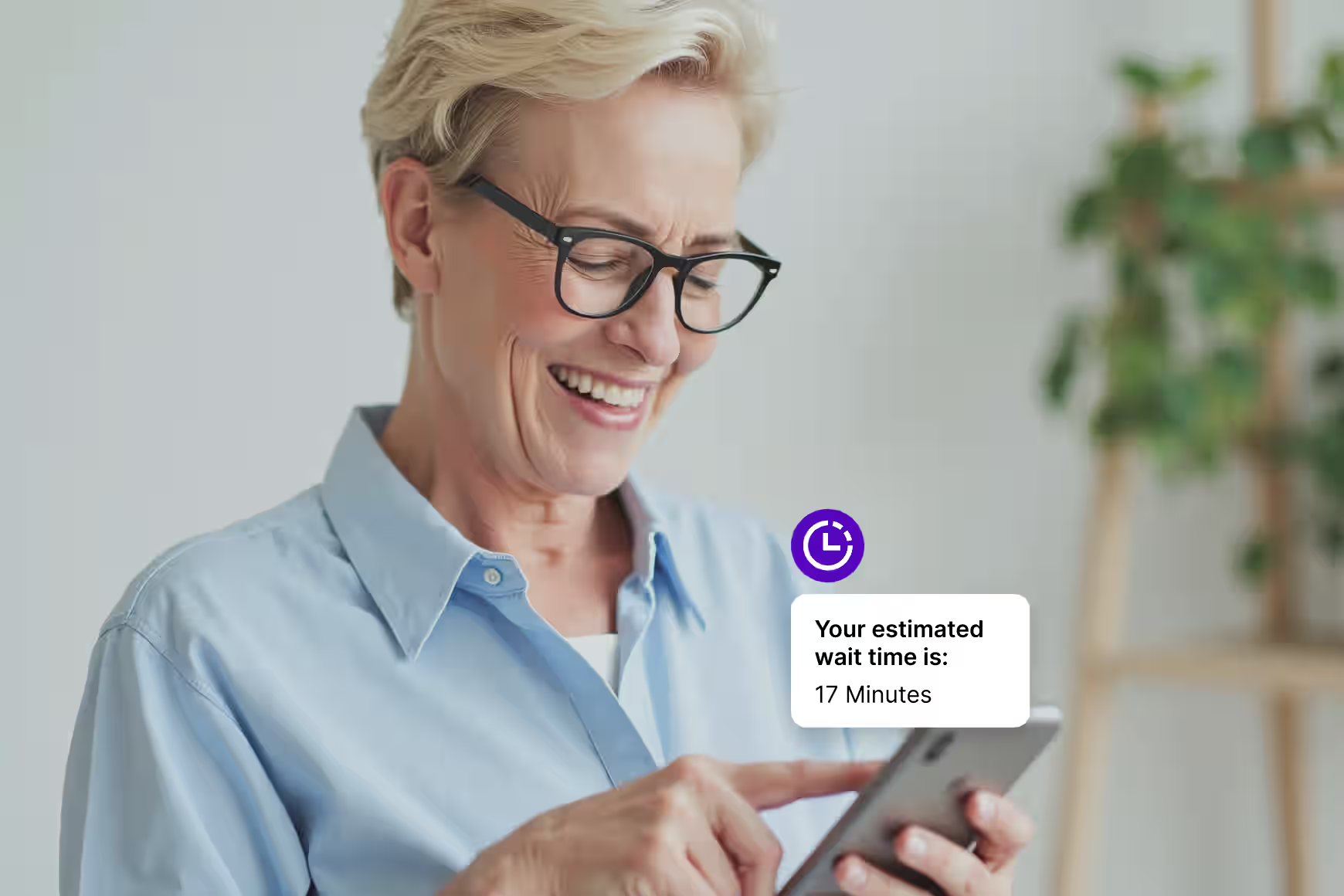
The prescription starts the journey: Introducing Life Sciences Experience Cloud
A prescription is only the beginning of a patient’s treatment journey. Delays, paperwork, and disconnected systems can prevent patients from starting therapy or staying on it. Life Sciences Experience Cloud helps pharmaceutical companies overcome these barriers by using AI to accelerate patient access, coordinate follow-up, and identify potential safety concerns.
06:15 min read
Listen to article
06:46
An Rx doesn’t guarantee that a patient will start therapy. Pharmaceutical companies have spent years investing in more direct, lasting relationships with patients, and direct-to-patient programs such as LillyDirect, PfizerForAll, and NovoCare are the most visible result. They want to see what happens after the Rx and take a bigger part in supporting patients through treatment.
But closer relationships don’t eliminate the barriers between an Rx and the first dose. Coverage decisions remain with insurers, which initially rejected 70% of attempts by commercially insured patients to fill a new brand-name Rx in 2025, up from 57% in 2021, according to IQVIA.
Many of those rejections are eventually resolved, but patients wait while patient services teams chase documentation, check case status, and coordinate across payers, hubs, and specialty pharmacies. Manufacturers can’t control the coverage decision. They can cut the delays and paperwork around it.
For the patient, that wait means not knowing whether the drug has been approved, who is waiting on what, or when it will ship. Meanwhile, a single case can pass through the manufacturer, a hub, the payer, the prescriber’s office, and the specialty pharmacy, and each handoff is a chance for context to get lost. In a BCG survey, 90% of biopharma and medtech omnichannel leaders cited siloed systems as a top barrier, and only 10% reported fully integrated data platforms. Inside patient services, it shows up as re-entered information, status chasing, and case histories that didn’t survive the handoff.
According to IQVIA, only about 40% of eligible patients actively use digital patient support programs, even where they’re widely available. Most patients still get to the next step through a call or a text with someone on the patient services team.
Today, we’re launching Life Sciences Experience Cloud to help patient services teams act sooner on the access barriers they can influence, so each patient conversation moves the case forward.
Built on our Customer Experience Automation (CXA) foundation, Life Sciences Experience Cloud uses AI to bring patient context into conversations across channels, recommend next steps, and help human agents update cases and coordinate follow-up within existing systems. It also flags potential safety concerns for the drug safety team.
Take one case. A patient calls the support program two weeks after enrollment because the specialty pharmacy hasn’t shipped. The representative sees the full case history and that a prior authorization is waiting on clinical documentation from the prescriber’s office. Instead of opening a ticket and promising a callback, the representative starts the approved outreach to the office, and Talkdesk Voyager keeps the case open until the documentation arrives. When the payer responds, the patient gets an update by text, and whoever picks up the case next sees everything that has already happened.
Put patient context to work.
Life Sciences Experience Cloud connects patient context across channels, systems, and workflows so patient services teams can act on what patients need next.
-
Get more patients on therapy, faster. Brings forward patient history, outstanding access requirements, and recommended next steps across channels, helping representatives update cases and initiate approved follow-up sooner, without starting over.
-
Get ahead of treatment interruptions. Talkdesk Voyager automates approved check-ins and reminders after the first dose, carrying patient context forward so patient services teams can address emerging affordability, coverage, and reauthorization needs before they interrupt treatment.
-
Catch potential safety issues during patient conversations. Flags possible adverse events as patients describe symptoms, supports approved follow-up questions, and routes relevant information to the drug safety team for assessment and reporting decisions.
We’re already demonstrating what Life Sciences Experience Cloud can do. In an evaluation with a leading biotechnology company, Life Sciences Experience Cloud identified nearly 9 in 10 known potential adverse events in patient services calls and routed them into the company’s established pharmacovigilance workflow. Safety teams spend less time on manual identification and can begin assessing potential concerns sooner. Each flag reaches a safety reviewer along with the conversation it came from, and the safety team makes every assessment and reporting decision.
Most patient services organizations already run a CRM, one or more hub partners, a specialty pharmacy network, and a validated safety database, and many have spent years configuring them. Another point solution means another integration to validate and another place for case history to split. Life Sciences Experience Cloud connects AI to those systems instead of adding a new one. Every workflow is auditable, and the platform supports 21 CFR Part 11-compliant electronic signatures.
Each program decides how the work is divided. The customer sets which steps AI can complete on its own, which go to a representative, and which must move to medical information, the safety team, or a case manager. Coverage, medical, and safety decisions stay with the teams that own them, and every action is logged. A rare disease program with a few hundred patients will draw those lines differently than a high-volume brand with thousands of new starts each month, so each program is configured on its own terms.
Most teams start with one program and the workflow where patients lose the most time, such as benefits investigation, prior authorization follow-up, or the handoff to specialty pharmacy. Once that workflow is running and measured, the same approach can extend to additional brands, adherence support, and HCP services. Now we’re working with early customers to answer a question that matters: how much sooner can we get patients through enrollment and onto therapy?
See Life Sciences Experience Cloud in action.

About John Wilson
John Wilson is Senior Director of Marketing, Healthcare and Life Sciences at Talkdesk, where he leads industry marketing strategy, positioning, and go-to-market initiatives across healthcare providers, payers, and life sciences organizations. His experience spans Google Cloud, Elevance Health, and Highmark, bringing a unique perspective on the intersection of healthcare, technology, and business strategy. John earned an MPH from Harvard University, an MS in Clinical Informatics from Stanford University, and an MBA from Northwestern University’s Kellogg School of Management. He is passionate about using AI to improve patient experiences, expand access to care, and transform how healthcare organizations operate.